

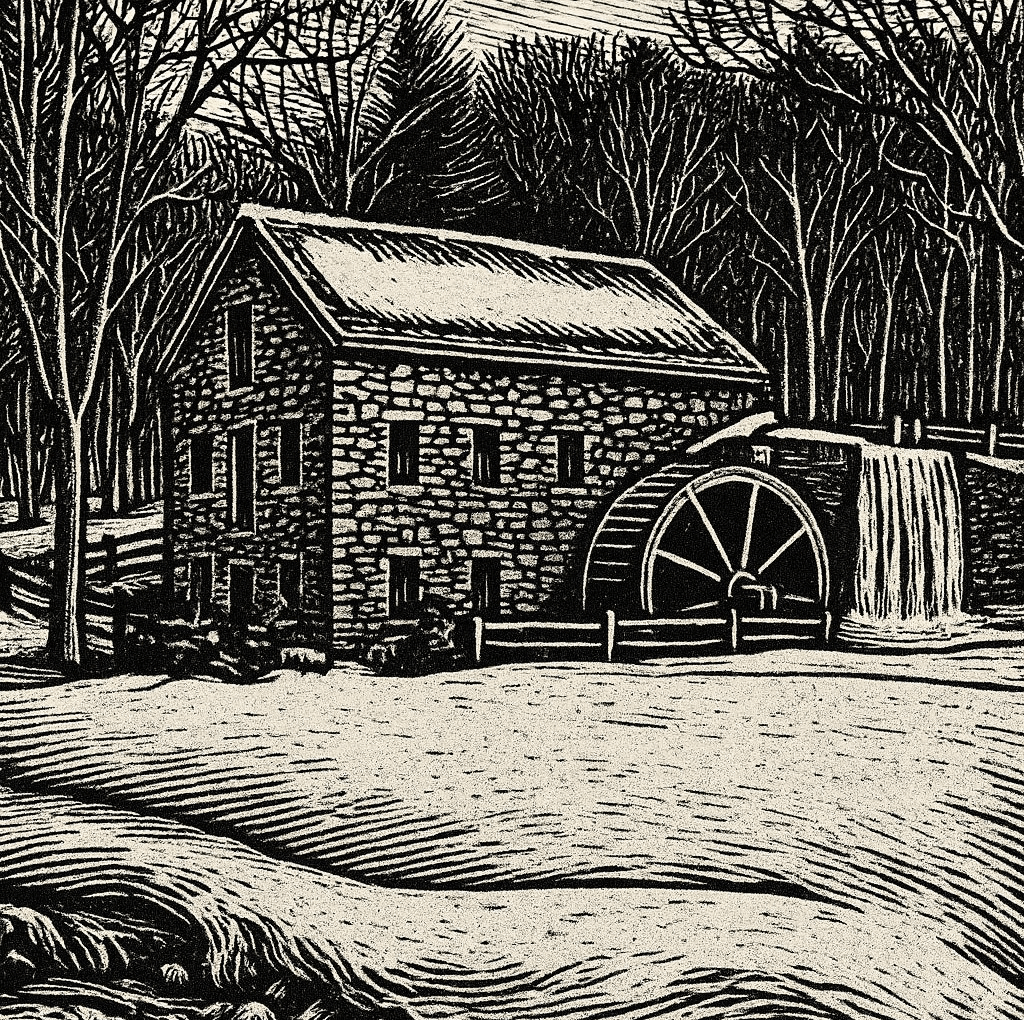
Now He said to His disciples, “It is inevitable that stumbling blocks come, but woe to him through whom they come! It would be better for him if a millstone were hung around his neck and he were thrown into the sea, than that he would cause one of these little ones to stumble.
Luke 17:1-2
Introduction
Child rearing is difficult. No one who has done it or who is going through it will tell you otherwise. Part of what makes it difficult is the fact that we as adults have a difficult time understanding children where they are. This problem is compounded when faulty or misinformed concepts of the nature of man come into play.
For someone who believes mankind is inherently good, that person will treat a child like he or she already fundamentally understands how to be righteous. But for a Christian, we understand that the Bible teaches us no one is good (Psalm 14:1-3), all have sinned (Romans 3:23), and that the sinfulness of man begins even before his birth (Psalm 51:5). For this Christian parent, it is imperative to teach children how to be righteous.
The inevitability of stumbling blocks
It is important to note that Jesus’ statement is prefaced by the acknowledgment that we live in a world stained by sin. No child will go through life unscathed. No father can fully shelter his children from the pitfalls and traps the enemy has set before them. They are inevitable. Whether friends, teachers, acquaintances, or even strangers, someone somewhere will introduce something into their lives that will tempt your children away from the truth.
As a parent, however, it is your duty to “Train up a child according to his way, even when he is old he will not depart from it.” (Proverbs 22:6) You cannot prevent people from speaking falsehood into your children’s lives. But you absolutely can minimize it while introducing godly principles and people who will guide them toward righteousness. Be a strong presence in their lives. Do not be the parent your children are afraid of bringing real issues to. Do not push them toward their peers for advice.
It may seem like the right thing to do, allowing children to counsel with one another. But do not forget the folly of Rehoboam. He was the son of Solomon and grandson of David, the great King of Israel. He inherited the kingdom from his father and intended to make his mark on history. He began by counseling with the elders who advised an even handed approach to governance, even going so far as to make his discipline on the people lighter than Solomon’s. But he also listened to the words of the young men with whom he had grown up. They on the other hand suggested he be even harsher than Solomon. (1 Kings 11:1-11)
It was those young men to whom Rehoboam listened, and it resulted in the people throwing off the rule of the house of David, splitting the kingdom into two distinct nations: Israel and Judah. That split was not mended until the advent of Jesus when He began to draw all the nations of the earth to Himself.
The millstone
Now to the heart of the matter Jesus is saying: while the stumbling blocks are inevitable, the one who brings them is under harsh judgment. Yes, this absolutely applies to the school teacher who openly teaches children that God is not real. But it also applies to the parents to whom God has entrusted those children. It applies even to parents who believe in God and all His promises. It applies to parents who intentionally place stumbling blocks in front of their children rather than guiding and teaching them safely while they are at home.
This is not to say anything but a private or homeschool experience is sinful. But it is to say that we as parents have a monumental responsibility toward the little ones God has given us. And it is that responsibility which ought to compel you to ensure the voices speaking into your children’s lives are ones which honor the Lord. Be active in your children’s lives and help them navigate over, around, and through those stumbling blocks. You have seen some that look very similar in your life, I am sure.
James impresses on us the weight of being a teacher when he commands, “Do not, many of you, become teachers, my brothers, knowing that we will receive a stricter judgment.” (James 3:1) A parent is a teacher. Perhaps the most important teacher your children will ever meet. It is good to be a parent, but not to be an absent one. And do not worry about always having the right answer. Part of modeling the Christian life is demonstrating humility when you cannot give them a satisfying response. That is OK as long as you follow through on that and show them how to seek the Lord.
May the Lord bless you and conform you into the image of His Son.


Leave a reply to jeffremmers Cancel reply